

Das Abschminken ist für jeden, der Make-up trägt, ein unverzichtbarer Bestandteil des Alltags. Wenn man sich morgens schminkt, , ist es unabdingbar, das Make-up abends gründlich zu entfernen. Mit Make-up im Gesicht schlafen zu gehen, ist eines der schlimmsten Dinge, die du deiner Haut antun kannst. Nach einem ganzen Tag mit Foundation, Concealer, und Augen-Make-up, hat deine Haut es verdient, atmen zu können und sich zu erholen Ecover. Aber das Abschminken hat seine eigenen Regeln – und wenn man es richtig macht, ist das der Unterschied zwischen klarer, gesunder Haut und einem Gesicht, das mit Hautunreinheiten und Reizungen zurückschlägt.
Was ist Make-up-Entfernung – und warum ist sie so wichtig?
Im einfachsten Fall, ist Make-up-Entfernung der Vorgang, bei dem am Ende des Tages alle Farbkosmetika gründlich von der Haut entfernt werden. Die Techniken variieren – von schnellen Ein-Schritt-Routinen bis hin zu mehrstufigen Ritualen – je nach persönlicher Vorliebe, Hauttyp und der Intensität des verwendeten Make-ups. Schwerere, Produkte mit höherer Deckkraft erfordern natürlich mehr Aufwand und manchmal andere Reinigungsprodukte als leichteres, Alltags-Make-up.
Was vielen Menschen nicht bewusst ist, ist, wie viel sich im Laufe eines Tages auf dem Gesicht ansammelt. Am Abend sieht das Make-up nicht mehr frisch aus – es hat sich mit Talg und Schweiß vermischt, und im Laufe des Tages haben sich Umweltschadstoffe darauf abgelagert: Staub, Schmutz, Abgaspartikel und sogar Bakterien. All diese Substanzen lagern sich auf der Haut ab, verstopfen die Poren und verhindern, dass die Haut normal funktioniert.
Bleibt diese Mischung über Nacht auf der Haut, führt sie zu verstopften und vergrößerten Poren, Mitessern, Hautunreinheiten, und stumpfer, verstopfter Haut. Der Effekt ist vergleichbar mit dem Abdecken der Haut durch eine undurchlässige Schicht – sie kann einfach nicht atmen. Mit der Zeit, führt das Auslassen oder überstürzte Durchführen der Make-up-Entfernung zu einem Kreislauf aus Entzündungen, Empfindlichkeit, und beschleunigter Hautalterung, der immer schwieriger umzukehren ist.
Es gibt noch einen weiteren praktischen Grund, Make-up gründlich zu entfernen: Ihre abendliche Hautpflege kann auf einem verschmutzten Gesicht nicht wirken. Seren, Nachtcremes, und Pflegeprodukte benötigen direkten Kontakt mit der Haut, um einzudringen und ihre Wirkstoffe abzugeben. Eine Schicht aus altem Make-up wirkt wie eine Barriere, und macht Ihre teuersten Hautpflegeprodukte im Grunde genommen nutzlos.
Wie man Make-up richtig entfernt – Schritt für Schritt
Die richtige Make-up-Entfernung ist nicht schwierig, erfordert aber Liebe zum Detail. Hier ist eine zuverlässige Methode, die bei jedem Make-up-Auftrag funktioniert:
Schritt 1: Beginnen Sie mit Augen und Lippen
Beginnen Sie immer mit den am stärksten pigmentierten und am schwersten zu entfernenden Bereichen – den Augen und Lippen. Diese erfordern besondere Aufmerksamkeit, da die hier verwendeten Produkte – Mascara, Eyeliner, Lippenstift – so formuliert sind, dass sie haften bleiben, was sie widerstandsfähiger gegen das Entfernen macht.
Das wirksamste Produkt für diesen Schritt ist Mizellenwasser. Tränke ein Wattepad großzügig, und halte es dann 10–15 Sekunden lang auf das geschlossene Auge oder die Lippen, damit das Produkt das Make-up auflösen kann. Streichen Sie dann sanft in einer einzigen Bewegung nach unten, um das Make-up zu entfernen. Wiederholen Sie den Vorgang bei Bedarf.
Zwei wichtige Regeln für diesen Schritt:
- Reiben oder schrubben Sie niemals die Augenpartie – die Haut um die Augen ist die dünnste im Gesicht und sehr anfällig TiB für Reizungen, vorzeitige Faltenbildung, und geplatzte Äderchen durch Reibung.
- Reiben Sie niemals über die Lippen – insbesondere bei matten flüssigen Lippenstiften, die fest auf der Haut haften. Lassen Sie das Mizellenwasser die Reinigungsarbeit übernehmen, und wischen Sie dann sanft ab.
Schritt 2: Entfernen Sie Foundation und Gesichts-Make-up
Sobald Augen und Lippen gereinigt sind, fahren Sie mit dem Rest des Gesichts fort – einschließlich Nase, Wangen, Stirn, Kinnpartie, und aller Bereiche, auf denen Foundation, Concealer, Puder, Bronzer, Rouge, oder Highlighter aufgetragen wurden. Vergessen Sie nicht den Hals, das Dekolleté, und die Ohren, falls diese Bereiche Teil Ihrer Make-up-Routine waren (– eine gängige Technik, um Foundation nahtlos zu verblenden).
Mizellenwasser eignet sich hier ebenfalls gut, aber auch hier überzeugt Reinigungsmilch – sie ist ebenso sanft, entfernt Make-up effektiv, und hinterlässt ein angenehmes, feuchtigkeitsspendendes Gefühl auf der Haut. Führen Sie sanfte, nicht aggressive Bewegungen über das Gesicht, aus und decken Sie dabei alle Bereiche gründlich ab. Mit einigen sanften Strichen entfernen Sie alles, ohne stark reiben zu müssen.
Schritt 3: Abspülen und Reinigen
Nach der ersten Make-up-Entfernung, spülen Sie Ihr Gesicht mit lauwarmem Wasser ab und tupfen Sie es sanft (– nicht reiben) – mit einem sauberen Handtuch trocken. Dies bereitet die Haut auf den letzten und wohl wichtigsten Schritt vor – eine gründliche Reinigung.
Verwenden Sie ein Gel-Reinigungsmittel,, einen Reinigungsschaum, oder ein sanftes Peeling-Waschgel, und massieren Sie das Produkt zwei bis drei Minuten lang in alle Bereiche des Gesichts ein. Diese zweite Reinigung entfernt alle verbleibenden Spuren von Make-up und Schadstoffen, die beim ersten Schritt möglicherweise übersehen wurden, und sorgt dafür, dass die Haut wirklich sauber ist – nicht nur optisch.
Dieser zweistufige Ansatz wird oft als doppelte Reinigung, bezeichnet und ist eine der effektivsten Methoden, um eine wirklich gründliche Reinigung zu gewährleisten. Stöbern Sie in unserem Sortiment an Gesichtsreinigungsprodukten, darunter Mizellenwasser, Reinigungsmilch, Gels, und Schäume, die für verschiedene Hauttypen geeignet sind.
Make-up-Entferner – Welcher ist der richtige für Sie?
Nicht alle Make-up-Entferner sind austauschbar. Wenn Sie die Vorzüge der einzelnen Typen kennen, können Sie das für Ihre Haut am besten geeignete Produkt auswählen:
Reinigungsmilch
Reinigungsmilch hat einen pH-Wert, der dem natürlichen, leicht sauren pH-Wert der Haut sehr nahe kommt, und ist daher besonders sanft und beruhigend. Sie ist die ideale Wahl für trockene, empfindliche, oder leicht gereizte Haut. Erhältlich in Formulierungen für verschiedene Hauttypen, entfernt Reinigungsmilch Make-up, ohne der Haut Feuchtigkeit zu entziehen, und hinterlässt ein weiches und angenehmes Hautgefühl. Sie eignet sich am besten als erster Schritt zur Entfernung von Foundation und Gesichtsprodukten.
Mizellenwasser
Eines der vielseitigsten und beliebtesten Produkte zur Make-up-Entfernung auf dem Markt. Mizellenwasser enthält Mizellen – mikroskopisch kleine Cluster aus reinigenden Molekülen, die in weichem Wasser suspendiert sind. Diese Mizellen wirken wie Magnete, die Make-up, Öl, und Unreinheiten anziehen und einfangen, ohne dass ein Abspülen erforderlich ist. Die Formel ist leicht, nicht fettend und hochwirksam bei allen Arten von Make-up, einschließlich wasserfester Wimperntusche und langanhaltendem Lippenstift. Sie eignet sich für praktisch alle Hauttypen und ist besonders praktisch als All-in-One-Produkt, das mehrere Reinigungsschritte ersetzen kann.
Toner
Obwohl Toner in erster Linie für ihre Rolle bei der Wiederherstellung des pH-Werts nach der Reinigung bekannt sind, entfernen sie auch Make-up-Reste und Unreinheiten, die in früheren Schritten möglicherweise übersehen wurden. Tonics haben antibakterielle, adstringierende und beruhigende Eigenschaften. Sie basieren in der Regel auf Wasser und enthalten pflanzliche Extrakte sowie hauttypspezifische Wirkstoffe. Ein Tonic wirkt am besten als abschließender Reinigungsschritt nach Mizellenwasser oder Reinigungsmilch und nicht als eigenständiges Reinigungsmittel. Entdecken Sie unser Gesichtskosmetik-Sortiment für eine Auswahl an Produkten, die für jeden Schritt des Make-up-Entfernungs- und Reinigungsprozesses geeignet sind.
Häufige Fehler beim Abschminken, die es zu vermeiden gilt
Selbst Menschen, die ihr Make-up täglich entfernen, können ihre Bemühungen durch diese häufigen Fehler zunichte machen:
- Reiben und Schrubben – aggressives Abwischen verursacht Mikrorisse, Reizungen, und vorzeitige Falten. Lassen Sie das Produkt das Make-up auflösen, und wischen Sie es dann sanft ab.
- Die zweite Reinigungsstufe auslassen – Mizellenwasser oder Reinigungsmilch entfernen das sichtbare Make-up, aber ein geeignetes Reinigungsmittel fängt die unsichtbaren Rückstände auf. Beide Schritte sind wichtig.
- Den Hals und den Haaransatz vergessen – Foundation reicht oft über das Gesicht hinaus. Werden diese Bereiche ausgelassen, bleiben Kosmetikrückstände zurück, die zu Hautunreinheiten und Reizungen führen können.
- Heißes Wasser verwenden – Heißes Wasser entzieht der Haut ihre natürlichen Öle und kann Rötungen verursachen. Lauwarmes Wasser ist immer die beste Wahl.
- Abtrocknen mit einem rauen Handtuch – tupfen Sie das Gesicht sanft mit einem weichen, sauberen Handtuch ab. Das Reiben mit einem groben Tuch reizt die frisch gereinigte Haut.
Was passiert nach dem Abschminken?
Sobald die Haut richtig gereinigt ist, ist sie bereit, Ihre abendliche Hautpflege aufzunehmen – dann können Seren, Pflegeprodukte, und Nachtcremes ihre beste Wirkung entfalten. Eine saubere Hautoberfläche bedeutet, dass Wirkstoffe direkt in die Haut eindringen können, anstatt auf Make-up-Rückständen und Verschmutzungen zu liegen. Deshalb geht es bei der gründlichen Reinigung nicht nur um Hygiene – sie wirkt sich direkt auf die Wirksamkeit jedes Produkts aus, das Sie anschließend auftragen. Für diejenigen, die ihre Hautpflegeergebnisse weiter verbessern möchten, ist die Rolle der Ernährung zu berücksichtigen. Die Fähigkeit der Haut, sich über Nacht zu reparieren und zu regenerieren, hängt von den Nährstoffen ab, die ihr von innen zur Verfügung stehen:
Vitamin A – unterstützt die normale Hautpflege und den Zellumsatz. Es ist der Nährstoff hinter Retinol, einem der wirksamsten Wirkstoffe in der abendlichen Hautpflege.
Vitamin E – ein starkes Antioxidans, das hilft, die Hautzellen vor dem im Laufe des Tages angesammelten oxidativen Stress zu schützen. In Kombination mit Vitamin A, unterstützt es den umfassenden Hautschutz.
Zink – trägt zur normalen Hauterhaltung bei und unterstützt die Wundheilung. Besonders wertvoll für Personen, die zu Hautunreinheiten und verstopften Poren nach dem Auftragen von Make-up neigen.
Kollagen + Vitamin C – unterstützt die strukturelle Integrität der Haut und die Reparaturprozesse über Nacht, und trägt so zu einem klareren, und elastischeren Teint bei.
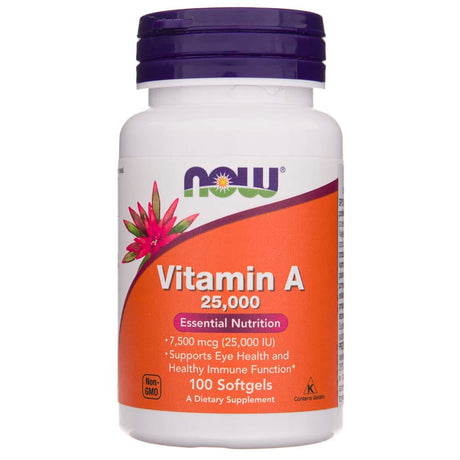


Now Foods
Now Foods Vitamin A 7500 mcg (25000 IE) - 100 Weichkapselnn
Normaler Preis €6.89Grundpreis€0.07 pro Stück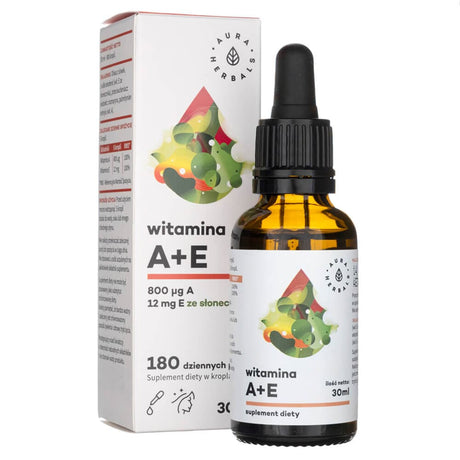


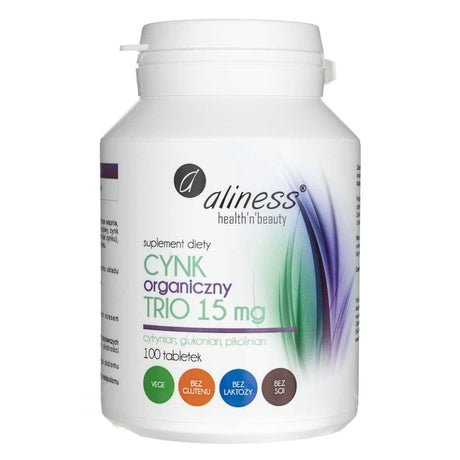


Aliness
Aliness Organisches Zink Trio 15 mg - 100 Tabletten
Normaler Preis €9.49Grundpreis€0.09 pro Stück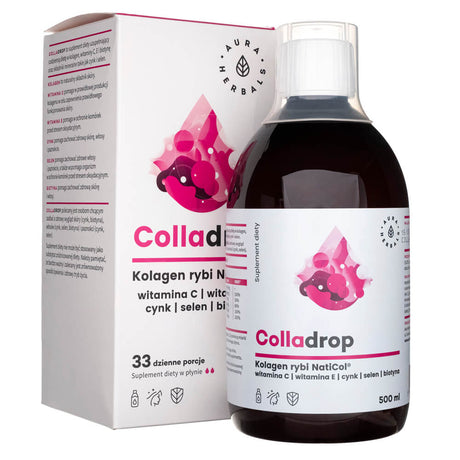


Aura Herbals
Aura Herbals Colladrop - flüssiges Fischkollagen + Vitamin C - 500 ml
Normaler Preis €12.89Grundpreis€25.78 /l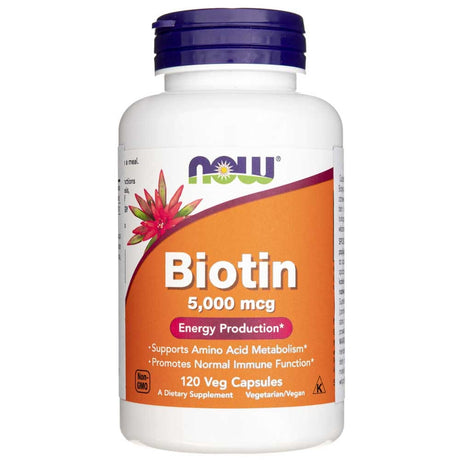


Now Foods
Now Foods Biotin 5000 mcg - 120 pflanzliche Kapseln
Normaler Preis €12.99Grundpreis€0.11 pro Stück


Für ein umfassendes Sortiment an hautpflegenden Nahrungsergänzungsmitteln, stöbern Sie in unserer Haar-, Haut- und Nagelkollektion. Und für Seren und Pflegeprodukte, die Sie nach Ihrer abendlichen Reinigung auftragen können, entdecken Sie unsere Gesichts-Säuren, Öle und Seren.
Machen Sie das Abschminken zu einer unverzichtbaren Gewohnheit
Gründliches Abschminken ist das Wichtigste, was Sie jeden Abend für Ihre Haut tun können. Sie beugt Hautunreinheiten vor, sorgt dafür, dass Ihre Hautpflege wirken kann, und gibt Ihrer Haut die nächtliche Erholung Ecover, die sie braucht. Beherrschen Sie die Grundlagen – zuerst Augen und Lippen, dann das Gesicht, immer doppelt reinigen – und unterstützen Sie die Regeneration Ihrer Haut von innen mit gezielten Nahrungsergänzungsmitteln. Ihr Teint am Morgen wird es Ihnen danken.
Das Wichtigste: Entfernen Sie Ihr Make-up immer vor dem Schlafengehen, beginnen Sie mit Augen und Lippen mit Mizellenwasser, und reinigen Sie anschließend das gesamte Gesicht mit Reinigungsmilch oder -gel. Die doppelte Reinigung sorgt für wirklich reine Haut. Reiben Sie niemals – lassen Sie das Produkt die Arbeit machen. Führen Sie anschließend Ihre abendliche Hautpflege auf der gereinigten Haut durch, und unterstützen Sie die nächtliche Hautregeneration von innen mit Vitamin A, E, Zink, und Kollagen.
Dieser Artikel dient nur der Information und ersetzt keine ärztliche Beratung. Bei gesundheitlichen Beschwerden, in der Schwangerschaft, Stillzeit oder bei Einnahme von Medikamenten wenden Sie sich an einen Arzt oder Apotheker. Nahrungsergänzungsmittel sind kein Ersatz für eine abwechslungsreiche Ernährung.


