

Mandeln sind eine bekannte Zutat in Studentenfutter, die Grundlage für pflanzliche Milch, und eine beliebte Zutat sowohl in der süßen als auch in der herzhaften Küche. Obwohl sie in den meisten Geschäften neben Nüssen im Regal stehen, sind Mandeln technisch gesehen gar keine Nüsse. Dennoch, können sie ernährungsphysiologisch mit den besten Nüssen mithalten – sie liefern eine reichhaltige Kombination aus gesunden Fetten, Eiweiß, Vitaminen, und Mineralstoffen, die ihren Platz in einer gesunden täglichen Ernährung rechtfertigen. Was macht Mandeln so wertvoll?
Sind Mandeln eigentlich Nüsse?
Mandeln sind Samen des Mandelbaums (Prunus dulcis), einem Mitglied der Familie der Rosaceae — derselben botanischen Familie wie Rosen, Äpfel, und Kirschen. Technisch gesehen sind sie Steinfrüchte, keine echten Nüsse: Was wir essen, ist der Samen aus dem Inneren der hartschaligen Frucht des Baumes. Der Unterschied ist eher botanischer als ernährungsphysiologischer Natur – was ihre Rolle in der Ernährung und die Art und Weise betrifft, wie der Körper sie verwertet,, funktionieren sie sehr ähnlich wie andere nährstoffreiche Samen und Baumnüsse.
Der Mandelbaum wächst hauptsächlich in Asien, im Mittelmeerraum, in Kalifornien, und in Portugal. Er ist eine mehrjährige Pflanze, und seine Früchte entwickeln sich im Laufe der Vegetationsperiode, bevor sie geerntet und geschält werden.
Nährwertprofil: Was Mandeln enthalten
Mandeln sind eine konzentrierte Quelle für UNS gesättigte Fettsäuren, Eiweiß, und Ballaststoffe. Sie liefern B-Vitamine, Vitamin E, Zink, Eisen, Magnesium, Kupfer und Kalium. Ihre Zusammensetzung unterstützt die Herz-Kreislauf-Funktion, hilft bei der Regulierung von Cholesterin und Blutzucker, und hat gut dokumentierte positive Auswirkungen auf das Nerven- und Immunsystem.
Vitamin E ist einer der bemerkenswertesten Beiträge von Mandeln – sie gehören zu den reichhaltigsten Nahrungsquellen dieses fettlöslichen Antioxidans. Vitamin E schützt die Zellen vor oxidativem Stress, unterstützt die Immunfunktion, und spielt eine Rolle für die Hautgesundheit und Anti-Aging-Prozesse. Magnesium, das in nennenswerten Mengen vorhanden ist, ist an über 300 enzymatischen Reaktionen beteiligt und unerlässlich für die Muskelfunktion, die Stressregulation, und die Schlafqualität. Die Kombination aus Eiweiß und Ballaststoffen macht Mandeln zudem im Verhältnis zu ihrem Volumen besonders sättigend – eine nützliche Eigenschaft für die Gewichtsregulierung.
Mandeln vor oder nach dem Training?
Mandeln eignen sich in beiden Fällen als effektiver Trainingssnack. Vor dem Training, liefert ihre Kombination aus Eiweiß und gesunden Fetten eine nachhaltige Energiequelle – am besten etwa 90 Minuten vor dem Training verzehrt, um die Verdauung zu ermöglichen. Nach dem Training, helfen sie durch ihren Eiweiß- und Aminosäuregehalt, die Energiespeicher wieder aufzufüllen und die Muskelr Ecover y zu unterstützen. Auch ihr Magnesiumgehalt ist nach dem Training relevant, da dieses Mineral durch Schweiß schnell abgebaut wird und eine Schlüsselrolle bei der Muskelentspannung und -regeneration spielt.
Mandeln in der Schwangerschaft
Mandeln sind sowohl während der Vorbereitung auf die Schwangerschaft als auch während der Schwangerschaft selbst ein wertvolles Nahrungsmittel. Sie sind eine gute natürliche Quelle für Folsäure – unerlässlich für die richtige Entwicklung des Neuralrohrs beim Fötus – sowie für Eisen und Kalzium, zwei Nährstoffe, deren Bedarf während der Schwangerschaft erheblich steigt. Viele Frauen stellen zudem fest, dass Mandeln helfen, Sodbrennen und Übelkeit, zu lindern – beides häufige Beschwerden im ersten Trimester. Süßmandelöl wird seit langem zur Vorbeugung von Schwangerschaftsstreifen verwendet – regelmäßig auf Bauch und Oberschenkel aufgetragen, spendet es Feuchtigkeit und verbessert die Hautelastizität.
Wie man Mandeln isst: Formen und Verwendungsmöglichkeiten
Mandeln sind ganz, in Scheiben, gehobelt, gemahlen, sowie als Mandelmus oder Mandelmilch erhältlich. Rohe Mandeln behalten den höchsten Nährwert, und da sie sich zu Hause leicht rösten oder blanchieren lassen, ist es praktisch, sie roh zu kaufen und frisch zuzubereiten. Sie eignen sich gut als Zugabe zu Frühstücksbrei, als Streusel über Salaten, als Zutat in Backwaren, oder als Basis für selbstgemachte pflanzliche Milch. Mandelbutter – ob cremig oder stückig – ist ein vielseitiger Brotaufstrich, der Toast, Smoothies und Dip-Saucen mit Eiweiß und gesunden Fetten versorgt. Entdecken Sie unsere „https://medpak.shop/collections/nut-butters“-Kollektion für Mandel- und andere Nusscremes.
Kontraindikationen und praktische Vorsichtsmaßnahmen
Mandeln können bei manchen Menschen allergische Reaktionen auslösen – insbesondere bei Personen, die auf Albumin und Gamma-Conglutin, Proteine im Mandelgewebe sensibilisiert sind. Allergische Symptome können von Nesselsucht, Bauchschmerzen, und verstopfter Nase bis hin zu Schwellungen im Mundraum, und in seltenen Fällen zu schwerwiegenderen Reaktionen reichen. Wie bei allen kalorienreichen Lebensmitteln, ist Maßhalten wichtig – obwohl Mandeln ernährungsphysiologisch hervorragend sind, führt ihre Kaloriendichte dazu, dass sich bei großen Mengen schnell eine hohe Kalorienaufnahme ansammelt. Eine typische Portion beträgt etwa 30 g (, was ungefähr 23 ganzen Mandeln) entspricht. Eine letzte Warnung: Bittermandeln unterscheiden sich von den zum Verzehr verkauften süßen Mandeln und enthalten Amygdalin, eine Verbindung, die im Körper Cyanid freisetzen kann. Bittermandeln sollten nicht in nennenswerten Mengen verzehrt werden.
Mandelprodukte bei Medpak
Unser Unser Sortiment an gesunden Snacks und Nussbutter umfasst Mandelcremes und -butter, die alle ernährungsphysiologischen Vorteile von Mandeln in einer praktischen, gebrauchsfertigen Form bieten.


 Um 5% reduziert
Alpi Hummus
Alpi Basia Basia Mandelcreme - 195 g
Verkaufspreis €7.77 Normaler Preis €8.19Grundpreis€3.98 /100g


Alpi Hummus
Alpi Basia Basia Pistazien-Cashew-Creme - 195 g
Normaler Preis €8.39Grundpreis€4.30 /100g


Die Nährstoffe, die Mandeln so wertvoll machen – insbesondere Vitamin E, Magnesium, und Zink – sind auch in Form von Nahrungsergänzungsmitteln für eine gleichmäßige, und messbare Dosierung erhältlich. Dies ist besonders relevant für Menschen mit erhöhtem Bedarf, die mit Stress oder Schlafproblemen zu kämpfen haben (, Magnesium), oder für alle, die Nahrungsergänzungsmittel zusätzlich zu einer pflanzenbetonten Ernährung einnehmen. Entdecken Sie das gesamte Sortiment in unserer Mineralien-Kollektion.


Now Foods
Now Foods Vitamin E-400 mit gemischten Tocopherolen - 100 Weichkapseln
Normaler Preis €15.89Grundpreis€0.16 pro Stück


Now Foods
Now Foods Magnesiumzitrat 400 mg - 120 pflanzliche Kapseln
Normaler Preis €17.99Grundpreis€0.15 pro Stück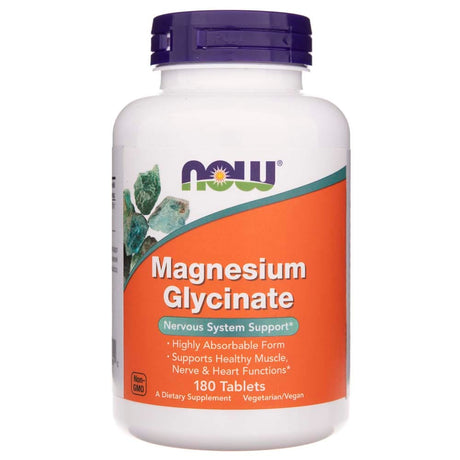


Now Foods
Now Foods Magnesium Glycinate 100 mg - 180 Tabletten
Normaler Preis €23.49Grundpreis€0.13 pro Stück


Swanson
Swanson Triple Magnesium Complex 400 mg - 100 Kapseln
Normaler Preis €5.69Grundpreis€0.06 pro Stück


Dieser Artikel dient nur der Information und ersetzt keine ärztliche Beratung. Bei gesundheitlichen Beschwerden, in der Schwangerschaft, Stillzeit oder bei Einnahme von Medikamenten wenden Sie sich an einen Arzt oder Apotheker. Nahrungsergänzungsmittel sind kein Ersatz für eine abwechslungsreiche Ernährung.


