

Mit zunehmendem Alter, nimmt die Fähigkeit des Körpers, wichtige Nährstoffe aufzunehmen und zu speichern, allmählich ab. Gedächtnisprobleme, verminderte Konzentrationsfähigkeit, Sehstörungen, Gelenkbeschwerden, und ein geschwächtes Immunsystem sind nicht unvermeidlich – aber sie treten häufig auf, und stehen in engem Zusammenhang mit Nährstoffmängeln, die ab dem 60. Lebensjahr immer häufiger auftreten. Die Auswahl der richtigen Vitamine und Nahrungsergänzungsmittel für ältere Menschen ist eine der praktischsten Maßnahmen, um die langfristige Gesundheit und Lebensqualität zu unterstützen. Hier erfahren Sie, was die Forschung dazu sagt und worauf Sie achten sollten.
Warum benötigen ältere Erwachsene Nahrungsergänzungsmittel?
Mehrere physiologische Veränderungen machen die Nahrungsergänzung mit zunehmendem Alter wichtiger. Die Magensäureproduktion nimmt ab, was die Aufnahme wichtiger Nährstoffe wie Vitamin B12, Magnesium, Eisen, und Kalzium direkt verringert. Die Vitamin-D-Synthese in der Haut wird weniger effizient, was bedeutet, dass selbst bei ausreichender Sonneneinstrahlung weniger Vitamin D gebildet wird als in jüngeren Jahren. Ein verminderter Appetit – bei älteren Erwachsenen aus verschiedenen Gründen häufig – senkt die gesamte Nahrungsaufnahme. Und einige bei älteren Menschen weit verbreitete Medikamente (, darunter Metformin, Protonenpumpenhemmer, und bestimmte Diuretika), führen als Nebenwirkung zu einem Mangel an bestimmten Mikronährstoffen.
Das Ergebnis ist, dass viele ältere Erwachsene gleichzeitig einen Mangel an mehreren wichtigen Nährstoffen haben, selbst wenn sie sich weitgehend gesund ernähren. Eine gezielte Nahrungsergänzung hilft, diese Lücken zu schließen, und unterstützt die spezifischen physiologischen Systeme, die am stärksten vom Altern betroffen sind – das Immunsystem, die Knochen, das Herz-Kreislauf-System, das Gehirn, und die Augen.
Vitamin D3: Das wichtigste Einzelpräparat für ältere Erwachsene
Vitamin-D-Mangel ist in der europäischen Bevölkerung weit verbreitet und tritt ab einem Alter von 60 Jahren deutlich häufiger auf, und zwar aus Gründen, die sich gegenseitig verstärken: verminderte Aktivität im Freien, dünnere Haut, die D3 weniger effizient synthetisiert, und eine geringere Zufuhr über die Nahrung. Die Folgen eines anhaltenden Mangels sind schwerwiegend – erhöhtes Risiko für Knochenbrüche und Osteoporose, geschwächtes Immunsystem, Schlafstörungen, erhöhte Anfälligkeit für Depressionen, und verminderte Muskelkraft (, ein wesentlicher Faktor für das Sturzrisiko bei älteren Erwachsenen).
Für die meisten Erwachsenen über 65, ist eine Tagesdosis von 1000–2000 IE ein konservativer Ausgangspunkt; viele Fachärzte empfehlen 2000–4000 IE auf der Grundlage gemessener Werte. Vitamin D3 ((Cholecalciferol)) ist bioverfügbarer als D2 und sollte bevorzugt eingenommen werden. Die Einnahme zusammen mit der größten Mahlzeit des Tages (– idealerweise einer, die Fett enthält) – verbessert die Aufnahme deutlich. Entdecken Sie unser komplettes Vitamin-D-Sortiment mit einer großen Auswahl an Dosierungen und Darreichungsformen.
Vitamin B12: Entscheidend für Nerven und Energie
Die Aufnahme von Vitamin B12 hängt von einem Protein namens Intrinsic-Faktor ab, das im Magen produziert wird – und die Produktion des Intrinsic-Faktors nimmt mit zunehmendem Alter deutlich ab (, insbesondere bei Personen, die Protonenpumpenhemmer oder Metformin einnehmen). Die Folgen eines B12-Mangels entwickeln sich langsam, können aber schwerwiegend sein: periphere Neuropathie, kognitiver Verfall, Müdigkeit, Anämie, und Stimmungsstörungen. Da ein B12-Mangel frühe Demenzsymptome imitieren kann, wird er oft übersehen oder falsch interpretiert.
Bei älteren Erwachsenen, ist Methylcobalamin (– die aktive, methylierte Form) – Cyanocobalamin, vorzuziehen, da es keine Umwandlung durch den Körper erfordert und leichter verwertet wird. Sublinguale Darreichungsformen (, die sich unter der Zunge auflösen), umgehen den Absorptionsengpass im Magen und sind besonders nützlich, wenn die Produktion des Intrinsic-Faktors beeinträchtigt ist. Siehe unsere B-Vitamin-Kollektion für verfügbare Optionen.
Omega-3-Fettsäuren: Unterstützung für Herz und Gehirn
Langkettige Omega-3-Fettsäuren – EPA und DHA – tragen zu einer normalen Herzfunktion und zur Aufrechterhaltung eines normalen Triglyceridspiegels im Blut, bei, wobei DHA speziell die normale Gehirnfunktion unterstützt. Für ältere Erwachsene, sind beide Aspekte relevant: Das kardiovaskuläre Risiko steigt mit zunehmendem Alter, und DHA ist die am häufigsten vorkommende Fettsäure im Hirngewebe, die eine direkte Rolle bei der Aufrechterhaltung der kognitiven Funktionen und der Verlangsamung des altersbedingten neurologischen Abbaus spielt. Eine tägliche Dosis von 500–1000 mg EPA+DHA ist ein weit verbreiteter Erhaltungsbereich, wobei höhere Dosen zur kardiovaskulären Unterstützung eingesetzt werden. Unsere Fischöl- und Omega-3-Kollektion umfasst molekular destillierte Produkte von vertrauenswürdigen Marken wie Nordic Naturals und Now Foods.
Coenzym Q10 (Ubiquinol): Für Herz und Energie
CoQ10 ist eine natürlich produzierte Verbindung, die für die zelluläre Energieproduktion von zentraler Bedeutung ist – insbesondere im Herzmuskelgewebe, das einen der höchsten CoQ10-Bedarf aller Organe im Körper aufweist. Der natürliche CoQ10-Spiegel sinkt mit zunehmendem Alter, und nimmt durch die Einnahme von Statinen weiter ab (, da Statine als Nebenwirkung ihres Wirkmechanismus die CoQ10-Synthese hemmen). Für ältere Erwachsene, die unter Müdigkeit, oder verminderter Belastbarkeit, leiden, oder für diejenigen, die eine Statintherapie erhalten, kann CoQ10 oder seine bioverfügbarere reduzierte Form Ubiquinol eine sinnvolle Ergänzung der Nahrungsergänzungsroutine darstellen. Es trägt zur kardiovaskulären Gesundheit und zur allgemeinen zellulären Energiekapazität bei.


Now Foods
Now Foods Vitamin D3 2000 IE - 240 Weichkapseln
Normaler Preis €10.59Grundpreis€0.04 pro Stück
Doctor's Best
Doctor's Best Vitamin D3 5000 IE - 180 Weichkapseln
Normaler Preis €9.49Grundpreis€0.05 pro Stück


Aliness
Aliness Vitamin B12 Methylcobalamin 950 mcg - 100 pflanzliche Kapseln
Normaler Preis €11.09Grundpreis€0.11 pro Stück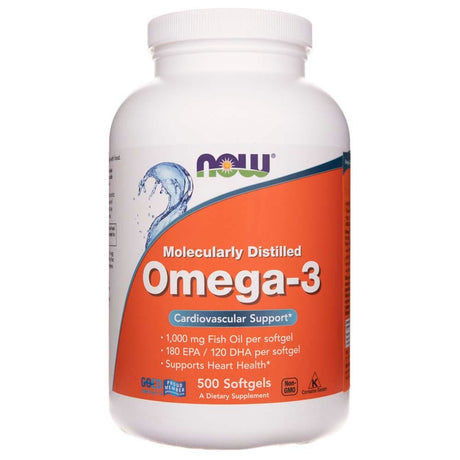


Now Foods
Now Foods Omega-3 180 EPA / 120 DHA - 500 Weichkapseln
Normaler Preis €49.19Grundpreis€0.10 pro Stück


Now Foods
Now Foods Ubiquinol (Ubichinol) 100 mg - 60 Weichkapseln
Normaler Preis €38.19Grundpreis€0.64 pro Stück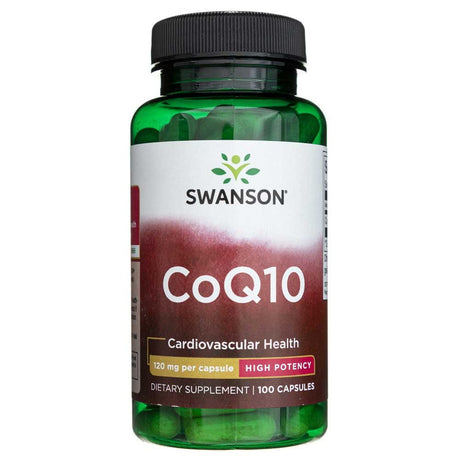


Magnesium: Schlaf, Muskeln, und Nervensystem
Magnesium ist an über 300 enzymatischen Prozessen im Körper beteiligt – und ein Mangel ist bei älteren Erwachsenen, äußerst häufig, teils aufgrund einer verminderten Zufuhr über die Nahrung, teils weil viele Medikamente den Magnesiumspiegel senken. Zu den wichtigsten Symptomen eines Magnesiummangels gehören Muskelkrämpfe, schlechte Schlafqualität, erhöhte Angstzustände, Verstopfung, und erhöhter Blutdruck. Für ältere Erwachsene, sind die Glycinat- und Citratformen im Allgemeinen am besten verträglich, und bieten eine gute Bioverfügbarkeit ohne die mit Oxid verbundene abführende Wirkung. Magnesium, das abends eingenommen wird, ist besonders nützlich, um das Einschlafen und die Schlafqualität zu verbessern.
Lutein und Zeaxanthin: Schutz der Sehkraft
Die altersbedingte Makuladegeneration ((AMD)) ist eine der Hauptursachen für Sehverlust bei Erwachsenen über 60. Die Makula – der zentrale Teil der Netzhaut, der für scharfes und detailreiches Sehen verantwortlich ist – reichert Lutein und Zeaxanthin aus der Nahrung an, wo sie als schützende Pigmente gegen lichtbedingte oxidative Schäden wirken. Eine Nahrungsergänzung mit diesen Carotinoiden, insbesondere bei geringer Aufnahme über Blattgemüse, kann dazu beitragen, das Fortschreiten der AMD zu verlangsamen und die Pigmentdichte der Makula zu unterstützen. Sie gehören zu den am besten wissenschaftlich belegten Nährstoffen für die altersbedingte Augengesundheit und sollten proaktiv in Betracht gezogen werden, anstatt erst nach Einsetzen des Sehverlusts. Entdecken Sie unsere Augen- und Sehkraft-Kollektion für verfügbare Optionen.
Ginseng und Adaptogene: Bekämpfung von Müdigkeit und geschwächtem Immunsystem
Für ältere Erwachsene, die unter allgemeiner Müdigkeit, verminderter Motivation, oder erhöhter Anfälligkeit TiB für Infektionen, leiden, haben adaptogene Kräuter – insbesondere koreanischer (Panax) Ginseng – eine lange Tradition in der Anwendung und eine solide Evidenzbasis. Ginseng kann dazu beitragen, das Ermüdungsgefühl zu verringern, die Immunfunktion zu unterstützen, und die kognitive Leistungsfähigkeit bei älteren Erwachsenen zu verbessern, ohne die kardiovaskuläre Stimulation von koffeinhaltigen Energiegetränken – ein wichtiger Aspekt für Menschen mit Bluthochdruck oder Herzerkrankungen. Es ist kein Ersatz für eine grundlegende Nahrungsergänzung mit D3, B12, und Magnesium, sondern eine nützliche Ergänzung, sobald die Grundlagen abgedeckt sind.


Swanson
Swanson Synergistische Augenges&heit - Lutein & Zeaxanthin - 60 Weichkapseln
Normaler Preis €11.89Grundpreis€0.20 pro Stück
Doctor's Best
Doctor's Best Lutein von OptiLut - 120 pflanzliche Kapseln
Normaler Preis €23.69Grundpreis€0.20 pro Stück


Swanson
Swanson Koreanischer Ginseng 500 mg - 100 Kapseln
Normaler Preis €16.69Grundpreis€0.17 pro Stück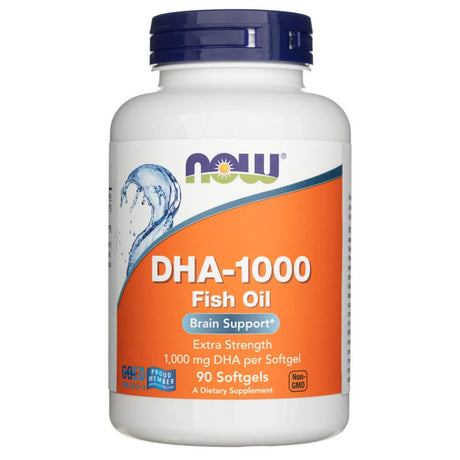


Now Foods
Now Foods DHA-1000 Gehirnunterstützung, Extrastärke - 90 Weichkapseln
Normaler Preis €40.79Grundpreis€0.45 pro Stück


Worauf Sie bei der Auswahl von Nahrungsergänzungsmitteln für ältere Erwachsene achten sollten
Die Qualität, der Nahrungsergänzungsmittel, die Form, und die Dosierung sind entscheidend – insbesondere bei älteren Erwachsenen, bei denen die Aufnahmeeffizienz verringert ist. Einige praktische Richtlinien: Wählen Sie aktive, methylierte Formen von B-Vitaminen (Methylcobalamin, Methylfolat) anstelle von synthetischen Alternativen; entscheiden Sie sich für chelatierte oder Citratformen von Mineralstoffen – wie Magnesiumcitrat und Calciumcitrat –, um eine bessere Bioverfügbarkeit zu gewährleisten; bevorzugen Sie flüssige oder sublinguale Darreichungsformen, wenn das Schlucken von Kapseln schwierig ist; und prüfen Sie stets auf Wechselwirkungen mit bereits eingenommenen Medikamenten, bevor Sie neue Nahrungsergänzungsmittel einführen. Personen, die an Diabetes oder anderen Stoffwechselerkrankungen leiden, sollten stets zuckerfreie Formulierungen wählen.
Dieser Artikel dient nur der Information und ersetzt keine ärztliche Beratung. Bei gesundheitlichen Beschwerden, in der Schwangerschaft, Stillzeit oder bei Einnahme von Medikamenten wenden Sie sich an einen Arzt oder Apotheker. Nahrungsergänzungsmittel sind kein Ersatz für eine abwechslungsreiche Ernährung.


