

Senföl wird aus den Samen von Brassica juncea oder verwandten Senfpflanzen gepresst. Während Speisefette selten auch als Hautpflegeprodukte dienen,, stellt Senföl eine echte Ausnahme dar – es wird seit Jahrhunderten sowohl in der indischen Ayurveda-Praxis als auch in der traditionellen mitteleuropäischen Küche verwendet. Sein scharfer, wärmender Charakter überträgt sich auf seine Wirkung auf Haut und Haar: Es regt die Durchblutung an, unterstützt die Gesundheit der Kopfhaut und pflegt beides von außen nach innen. In der europäischen Mainstream-Wellness weitgehend übersehen, wird es zunehmend von jenen entdeckt, die nach hochwirksamen Pflanzenölen jenseits des üblichen Argan- und Kokosnuss-Mainstreams suchen. Was ist in Senföl enthalten? Kaltgepresstes Senföl hat ein charakteristisches Fettsäureprofil, das von Erucasäure, Ölsäure und Omega-9,), Linolsäure ((Omega-6)), und Alpha-Linolensäure ((Omega-3)). Es ist zudem reich an den Vitaminen A, C, und E, und enthält natürliche Glucosinolate – schwefelhaltige Verbindungen, die für sein charakteristisches scharfes Aroma und viele seiner antimikrobiellen Eigenschaften verantwortlich sind. Der hohe Vitamin-E-Gehalt macht es zu einem nützlichen Antioxidansöl, sowohl zur inneren als auch zur äußerlichen Anwendung.
Die beste Qualität ist kaltgepresstes, unraffiniertes Senföl, das bei Temperaturen unter 40 °C gewonnen wird, um seine Wirkstoffe, Farbe, und sein Aroma zu bewahren. Wie alle kaltgepressten mehrfach ungesättigten Öle sollte es nicht zum Kochen bei hohen Temperaturen verwendet werden.
Gesundheitliche Vorteile von Senföl
Bei innerlicher Anwendung in angemessenen Mengen kann Senföl zu einer Reihe von gesundheitlichen Vorteilen beitragen:
- Unterstützung der Verdauung — kann bei regelmäßiger Verwendung als Speiseöl zum Schutz der Magenschleimhaut beitragen und Symptome von Blähungen und Verstopfung lindern
- Cholesterinhaushalt — Ölsäure und Linolsäure stehen im Zusammenhang mit der Aufrechterhaltung normaler Blutfettwerte
- Unterstützung des Herz-Kreislauf-Systems — der Gehalt an Omega-Fettsäuren trägt zu einer normalen Herzfunktion bei
- Entzündungshemmende Wirkung — natürlich vorkommende Verbindungen in Senföl können helfen, die Entzündungsreaktion des Körpers zu modulieren
- Hormonhaushalt — traditionell mit der Unterstützung des endokrinen Systems in Verbindung gebracht, obwohl die Belege weitgehend empirisch sind
Senföl für die Haare
Eine der wertvollsten Anwendungen von Senföl in der ayurvedischen Tradition ist die Kopfhaut- und Haarpflege. Seine wärmende Wirkung auf die Kopfhaut regt die Durchblutung der Haarfollikel an, was die Voraussetzungen für gesundes Haarwachstum fördern kann. Dies macht es besonders nützlich für Menschen, die mit schütterem Haar, langsamem Wachstum, oder geschwächten Haarfollikeln zu kämpfen haben.
Was die Haarporosität betrifft – der zuverlässigste Anhaltspunkt für die Ölwahl – eignet sich Senföl am besten für Haar mit mittlerer Porosität. Dank seiner Mischung aus einfach und mehrfach ungesättigten Fettsäuren dringt es in den Haarschaft ein, ohne ihn zu überlasten, und versorgt das Haar von innen heraus mit Nährstoffen, anstatt nur die Oberfläche zu umhüllen. Auch hochporöses Haar kann gut darauf ansprechen, insbesondere wenn das Hauptziel eher die Förderung der Kopfhautgesundheit als eine intensive Feuchtigkeitsversorgung ist.
Anwendung als Haaröl: Gleichmäßig von den Haarwurzeln bis zu den Spitzen auf trockenes oder leicht feuchtes Haar auftragen, 30–60 Minuten einwirken lassen, anschließend gründlich ausspülen. Speziell zur Stimulierung der Kopfhaut, ist eine 5–10-minütige Massage in die Kopfhaut vor dem Waschen wirksam und erfordert keine vollständige Ölbehandlung. Es kann auch als gezielte Spitzenpflege verwendet werden, um trockene Haarspitzen geschmeidig zu machen und zu schützen.
Senföl für die Haut
Bei äußerlicher Anwendung, wirkt Senföl wärmend, und durchblutungsfördernd – eine Wirkung, die sowohl dem Gesicht als auch dem Körper zugutekommt. Sein Gehalt an Vitamin A, C und E verleiht ihm echte antioxidative Eigenschaften und hilft, sichtbare Zeichen der Hautalterung zu verlangsamen, indem es vor oxidativem Stress schützt. Es kann zudem dazu beitragen, den Hautton auszugleichen und kleinere Hautunreinheiten mit der Zeit zu reduzieren.
Das wärmende Gefühl des Öls macht es zu einer beliebten Basis für Körpermassagen, insbesondere für Menschen mit kalten Extremitäten – die durchblutungsfördernde Wirkung ist schnell in Händen und Füßen spürbar. Im Gesicht, kann es als Reinigungsöl (zum Entfernen von Make-up und Unreinheiten) verwendet oder in Gesichtsmasken eingearbeitet werden. Dank seiner antibakteriellen und entzündungshemmenden Eigenschaften eignet es sich gut für Haut, die zu leichten Hautunreinheiten neigt, sollte jedoch nur auf verheilte Haut aufgetragen werden – niemals auf offene Wunden oder aktive Läsionen.




Senföl in der Küche
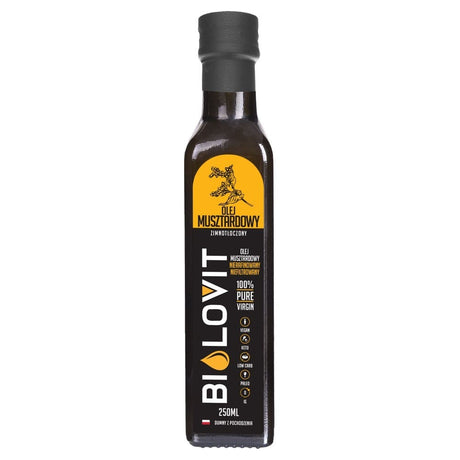
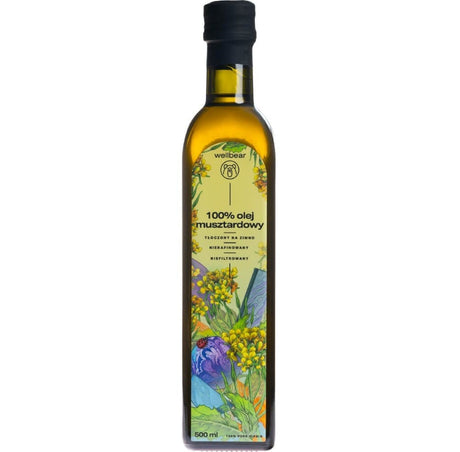
In der indischen und südasiatischen Küche ist, Senföl eine grundlegende Zutat – verwendet in Currys, Pfannengerichten, Eingelegtem, und Marinaden. Sein kräftiger, pfeffriger Geschmack ist charakteristisch und verleiht Fleischgerichten Tiefe sowie Salatdressings und rohen Saucen eine besondere Note. Kaltgepresstes, unraffiniertes Senföl sollte für rohe Zubereitungen oder sehr sanftes Erhitzen reserviert bleiben – nicht für das Braten bei hohen Temperaturen, bei dem seine mehrfach ungesättigten Fettsäuren zerfallen. Für das Kochen bei hohen Temperaturen bleibt raffiniertes Raps- oder Sonnenblumenöl die praktischere Wahl.
Vergleich von Senföl mit anderen kaltgepressten Pflanzenölen
Senföl nimmt unter den kaltgepressten Ölen eine besondere Nische ein – es ist schärfer und wärmender als Sesam- oder Hanföl, und anregender als das milde Leindotter- oder Leinsamenöl. Für alle, die daran interessiert sind, eine Auswahl an kaltgepressten Pflanzenölen zusammenzustellen, passt Senföl gut zu Schwarzkümmelöl aufgrund seiner ergänzenden antimikrobiellen und entzündungshemmenden Eigenschaften sowie zu Sesamöl als sanfteres, nussiges Gegenstück mit ähnlich guter Verträglichkeit für die Kopfhaut. Entdecken Sie unser komplettes Sortiment an gesunden Lebensmitteln und Nahrungsergänzungsmitteln unter , um das gesamte Angebot zu vergleichen.
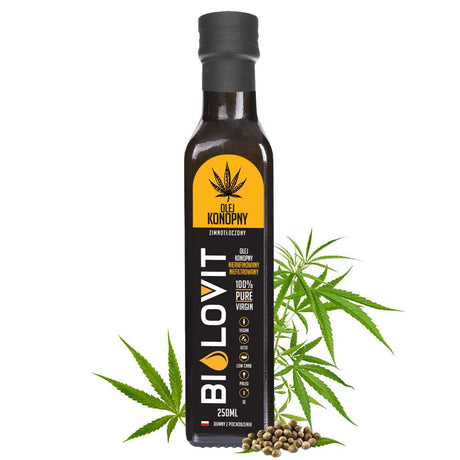


 Um 20% reduziert
Bilovit
Bilovit Hanföl kaltgepresst - 250 ml
Verkaufspreis €6.31 Normaler Preis €7.89Grundpreis€25.24 /l

 Um 5% reduziert
Olvita
Olvita Kaltgepresstes Sesamöl ungereinigt - 250 ml
Verkaufspreis €11.46 Normaler Preis €12.09Grundpreis€45.84 /l


Wer sollte Senföl meiden?
Senföl ist nicht für jeden geeignet. Schwangere sollten es aufgrund seines Erucasäuregehalts und möglicher stimulierender Wirkungen meiden. Menschen mit Herzerkrankungen sollten vor der Anwendung einen Arzt konsultieren, da die kardiovaskulären Wirkungen – die für gesunde Personen positiv sind – unter bestimmten Umständen zu stark ausgeprägt sein können. Personen, die Antikoagulanzien oder blutverdünnende Medikamente einnehmen, sollten sich ebenfalls an einen Arzt wenden. Beginnen Sie immer mit kleinen Mengen und beobachten Sie, wie Ihr Körper reagiert, bevor Sie es zu einem festen Bestandteil Ihrer Routine machen. Entdecken Sie unser Haaröle und Seren sowie Haar-, Haut- und Nagelpräparate für weitere Optionen zur Unterstützung gesunder Haare aus verschiedenen Blickwinkeln.
Dieser Artikel dient nur der Information und ersetzt keine ärztliche Beratung. Bei gesundheitlichen Beschwerden, in der Schwangerschaft, Stillzeit oder bei Einnahme von Medikamenten wenden Sie sich an einen Arzt oder Apotheker. Nahrungsergänzungsmittel sind kein Ersatz für eine abwechslungsreiche Ernährung.


